

1. The Shocking History: From Dangerous Oils to Modern Science
Men have wanted to change their penis size for thousands of years. Long ago, ancient tribes used strange methods like letting venomous ants or snakes bite their private parts to make them swell up temporarily. Others tied heavy stones to stretch the skin over time. These primitive tricks caused painful nerve damage and dangerous infections.
Around the year 1900, doctors made a major mistake. They started injecting liquid paraffin wax and Vaseline oil directly under the skin to make the penis look thicker. At first, it looked soft and bigger. But the human body cannot break down petroleum or mineral oils.
Infographic 1: Historical Injections vs. Modern Medical Standards
- • Liquid petroleum oil injected into skin
- • Body cannot dissolve synthetic oils
- • Caused hard lumps, skin death, and severe pain
- • Required emergency surgery to cut away ruined skin
- • Lab-tested, sterile medical-grade gels and implants
- • Reversible soft gels (can be dissolved in 24 hours)
- • Done by certified doctors in clean clinics
- • Focused on long-term safety and natural feeling
Within months or years after getting oil injections, the body fights back against the foreign oil. This forms rock-hard, painful lumps called sclerosing lipogranulomas. These hard lumps trap blood, destroy skin, and cause extreme pain during erections.
The only way to fix oil damage is through major reconstructive surgery that cuts out all infected skin down to the muscle. This painful history taught modern doctors a crucial lesson: never inject non-medical oils or unverified liquids into the human body.
Infographic 2: How the Body Reacts to Unsafe Injections

Modern aesthetic medicine relies on tested, safe materials instead of dangerous historical experiments.
2. Non-Surgical Options: Quick Injections Without Surgery
Hyaluronic Acid (HA) Soft Fillers: Easy, Safe, but Temporary
Today, the most popular non-surgical choice is Hyaluronic Acid (HA) filler. HA is a smooth gel that naturally exists in human skin to hold moisture. Doctors inject this clear gel under the skin using a tiny blunt needle. The treatment takes only 30 to 45 minutes in a clinic with numbing cream, so there is very little pain.
The biggest benefit of HA gel is total safety through reversibility. If you dislike the new shape, if the gel moves to one side, or if small lumps form, the doctor can inject an eraser liquid called hyaluronidase. This liquid melts the gel completely within 24 to 48 hours, returning your penis back to its original normal look.
Infographic 3: HA Gel Dosing, Upfront Cost, and Thickness Gains
However, HA fillers are temporary. Your body naturally absorbs the gel over 12 to 18 months. As the gel disappears, your penis shrinks back toward its starting size.
To maintain your thickness, you must go back to the clinic and pay around $3,500 for top-up injections every year and a half. While it feels cheap on day one, paying repeatedly makes HA fillers very expensive over many years.
Infographic 4: HA Gel Volume Decay Over 18 Months
Hard Permanent Fillers (PMMA Plastic Beads): High Risk Warning
To stop paying every year, some men choose permanent fillers like PMMA (microscopic plastic beads). PMMA costs $5,000 to $10,000 upfront. It triggers your body to build its own collagen scar tissue around the tiny plastic beads to create permanent thickness.
The major danger with PMMA plastic filler is that it cannot be melted with an injection. If the doctor places it unevenly, or if your body creates hard inflammatory lumps (granulomas), you cannot dissolve it. Removing hard plastic lumps requires surgery that costs between $1,300 and $100,000.
Infographic 5: Soft HA Gel vs. Hard PMMA Plastic Comparison
| Feature | Soft HA Gel | Hard PMMA Plastic |
|---|---|---|
| Starting Price | $2,800 – $6,000 | $5,000 – $10,000 |
| How Long It Lasts | 12 to 18 months | Permanent |
| Can You Dissolve It? | YES (With liquid injection) | NO (Requires surgery) |
| Safety Level | Very High (Reversible) | Risky (Permanent Lumps) |
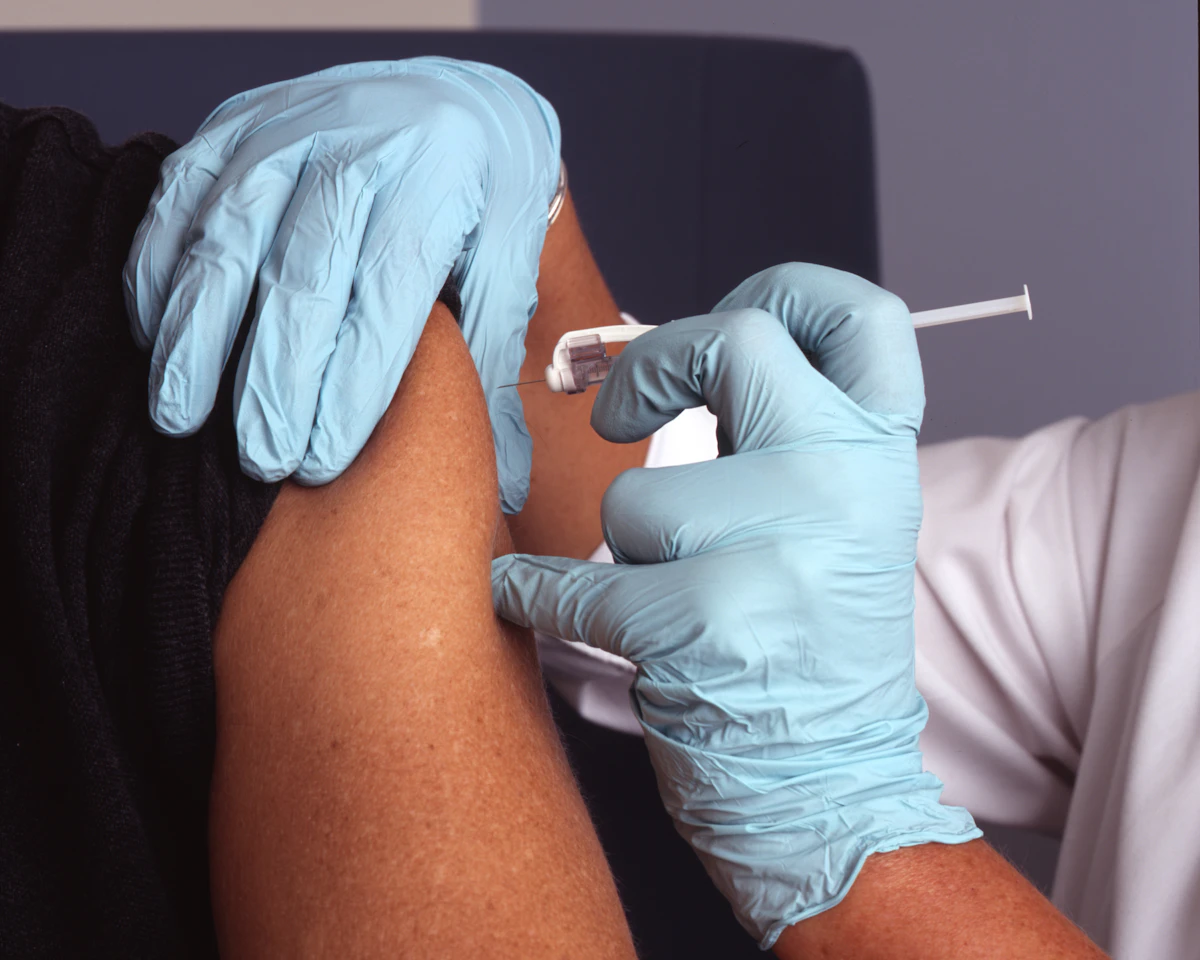
Non-surgical injections are done in a clean clinic setting, but long-term top-up costs must be planned ahead.
3. Surgical Options: Permanent Operating Room Solutions
Silicone Sleeve Implants: Maximum Size Increase
A silicone implant is a flexible, soft silicone sleeve inserted under the penis skin during surgery. It gives a noticeable increase in both soft hanging length (up to 1 inch extra) and erect thickness (up to 1.5 inches extra).
The upfront price is high, usually between $15,000 and $20,000. This single payment usually covers the hospital room, general sleep anesthesia, surgeon fees, and follow-up care. Because medical silicone never melts or shrinks, you do not need yearly top-ups.
Infographic 6: Silicone Sleeve Implant Average Results
However, if the implant gets infected or erodes through skin, it must be removed. Modern surgical techniques from the side of the scrotum have lowered the device removal rate down to 6%. But if an implant is removed, internal scar tissue can cause bending or penis shortening.
Infographic 7: Surgical Approach Safety Comparison
Dermal Allografts (Human Donor Tissue Sheet): Most Natural Feel
A Dermal Allograft uses a sterile sheet of processed human donor skin tissue. The surgeon wraps this natural sheet around the shaft under the skin. Over 3 to 6 months, your body grows its own blood vessels and living cells into the sheet, turning it into your own natural body tissue.
The cost ranges from $5,500 to $11,500 (average $8,500 total). Because it contains no synthetic rubber or plastic, it feels 100% natural and soft when touched. No partner can tell you had surgery by feeling it.
Infographic 8: Human Donor Tissue Profile
The main limitation is natural tissue shrinkage. Your body absorbs about 10% to 20% of the graft thickness over the first 2 years. About 1 in 10 men choose to pay for a small touch-up injection or to put another Dermal Allograft on top of an existing one at Year 1-2 to add thickness.
Fat Transfer : Other Surgical Choices
Fat transfer takes fat from your belly or thighs using liposuction and injects it into your penis shaft. It costs $11,000 to $18,000. While it uses your own body fat, 30% to 60% of the fat dies and melts away within 1 year, often leaving uneven lopsided lumps.
Infographic 9: Fat Transfer Survival Rate at Year 1

Surgical procedures require a sterile operating room and board-certified urologists.
4. The 30-Year Lifetime Cost Comparison
To see the real truth about your wallet, we must compare total spending over 10, 20, and 30 years. Temporary HA gel starts cheap at $5,990, but paying $3,500 every 18 months adds up very quickly over time.
The cost crossover happens fast: at 2.5 years, total spending on HA filler passes the cost of human donor tissue surgery ($8,500). At 5.5 years, HA filler passes the cost of a silicone implant ($18,000). By Year 30, keeping HA gel costs nearly $75,000!
Infographic 10: Cumulative Cost Over 30 Years (Total Cost)
| Procedure | Day 1 Cost | 10 Years | 20 Years | 30 Years |
|---|---|---|---|---|
| HA Gel Filler (Injections) | $5,990 | $28,990 | $51,990 | $74,990 |
| Human Dermal Allograft | $8,500 | $9,375 | $9,375 | $9,375 |
| Silicone Implant | $18,000 | $19,100 | $19,100 | $19,100 |
| Fat Transfer | $12,000 | $13,800 | $13,800 | $13,800 |
In addition to money, you must plan for healing downtime. Injections let you return to desk work immediately and have sex in 7 to 14 days. Surgery requires 1 to 2 weeks off heavy work and 6 to 8 weeks without sex to let internal wounds heal safely.
Infographic 11: Recovery Time & Sex Abstinence Needed
- • Back to work: Same day
- • Gym workout: 2 to 3 days
- • Sex activity: 7 to 14 days
- • Back to desk work: 7 to 10 days
- • Gym workout: 4 weeks
- • Sex activity: 6 to 8 weeks

Calculating lifetime maintenance costs prevents unexpected money stress in the future.
5. Final Recommendation: Which Option Matches You?
There is no single best choice for every man. Most men who want penis enlargement actually have a normal sized penis (greater than 4.7 inches erect). This anxiety is common and often cured with honest education and counseling.
If you decide to proceed, match your choice to your budget and personal goals. Think of HA filler maintenance fees as an "insurance policy" that allows you to completely melt away the gel if you change your mind. If you want natural tissue and permanent value, donor tissue surgery is ideal.
Infographic 12: Step-by-Step Decision Checklist
You want zero surgical downtime, low starting price, and the safety net of melting away the gel if you dislike it. You accept paying top-ups every 1.5 years.
You want the lowest 30-year lifetime cost ($8,500 average), 100% natural tissue feeling, and zero synthetic rubber or plastic inside your body.
You want the biggest size increase in both erect length and thickness, have a higher initial budget ($15,000–$20,000), and accept a small 6% removal risk.
Always consult a board-certified urologist before deciding on any procedure. A thorough consultation ensures your physical health, budget, and expectations are completely aligned.

Making an informed choice leads to confidence, physical safety, and peace of mind.


